
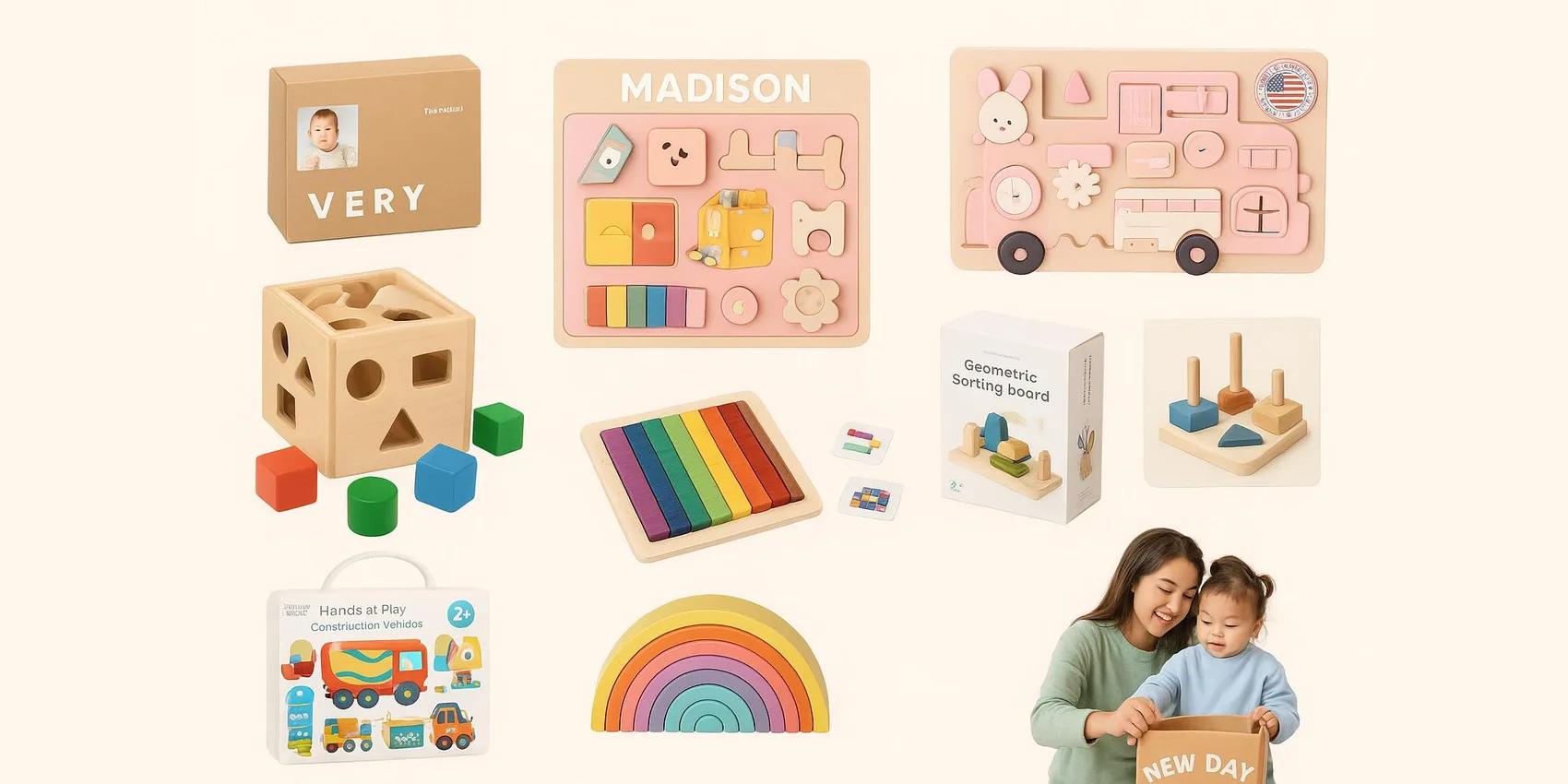
 Best Montessori Toys for Toddlers (2026)
Best Montessori Toys for Toddlers 1–3 by Skill (2026)
2026-02-12Whether you’re stocking up on must-have baby gear for 2026 or browsing our baby and kids hub for gift ideas, picking the right toys matters. Shopping for Montessori-style toys for toddlers ages 1–3 can feel overwhelming when every box claims to “teach everything.” This guide helps parents, grandparents, and caregivers pick skill-focused learning toys that match real developmental needs—fine motor, language, sensory play, and early problem-solving—without clutter or gimmicks. You’ll get clear categories, what to look for, and how to choose the right level for your child’s stage, so you can buy confidently and keep playtime purposeful. Don’t wait too long—great options sell out fast.
Add-on magic: Save gift ideas to your WishDeck wishlist in a tap so you don’t lose ideas and can compare later. You can share your wishlist with friends and family in one tap to get the gifts you love and really need.
Table of Contents (2026)
1. Fine-Motor & Practical Life (Hands That Work)
2. Sorting, Matching & Early Problem-Solving
3. Open-Ended Building & STEM Play
5. Indoor Gross-Motor (Climb, Balance, Go)
6. Ready to Share Your Wishlist
Fine-Motor & Practical Life (Hands That Work)
These picks build hand strength, coordination, and “I can do it” independence—great for toddlers who love fiddly tasks, doors, and real-world routines. They’re also smart choices when you want a toy that naturally encourages concentration in 2026.
1. Lovevery The Helper Play Kit
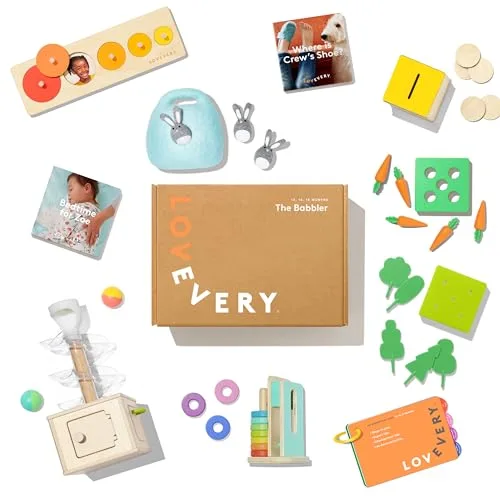
1. Lovevery The Helper Play Kit
A curated kit built around practical-life and early learning activities, designed to meet toddlers where they are developmentally. In 2026, it’s a standout for gift-givers who want an all-in-one set that feels intentional and not random. Best for families who appreciate guided play ideas and materials that rotate in and out with routines. Expect a mix of hands-on tools that support independence and focus.
- Curated set that reduces guesswork for gift-givers
- Encourages independent, hands-on skill practice
- Feels like a complete “ready to use” gift
- Higher price point than single toys
- Some items may overlap with what families already own
- Works best when caregivers rotate pieces instead of leaving everything out
2. Melissa & Doug Wooden Latches Board
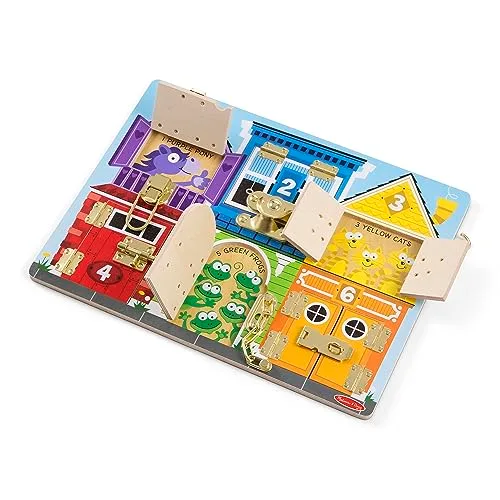
2. Melissa & Doug Wooden Latches Board
A classic wooden board with multiple latches and little doors to open and close, perfect for repetitive, satisfying practice. In 2026, it’s still a go-to for building pincer control and hand coordination without screens or batteries. Great for toddlers who love “busy hands” play and figuring out how things work. The variety of latch types keeps interest longer than a single-lock toy.
- Multiple latch styles for varied fine-motor practice
- Simple, durable wooden design that invites repetition
- Easy to pull out for quick independent play
- Can be noisy when doors slam shut
- Less open-ended than blocks or pretend play
- Some toddlers may outgrow it once latches feel mastered
3. Kiddie Academy Montessori Sensory Busy Board
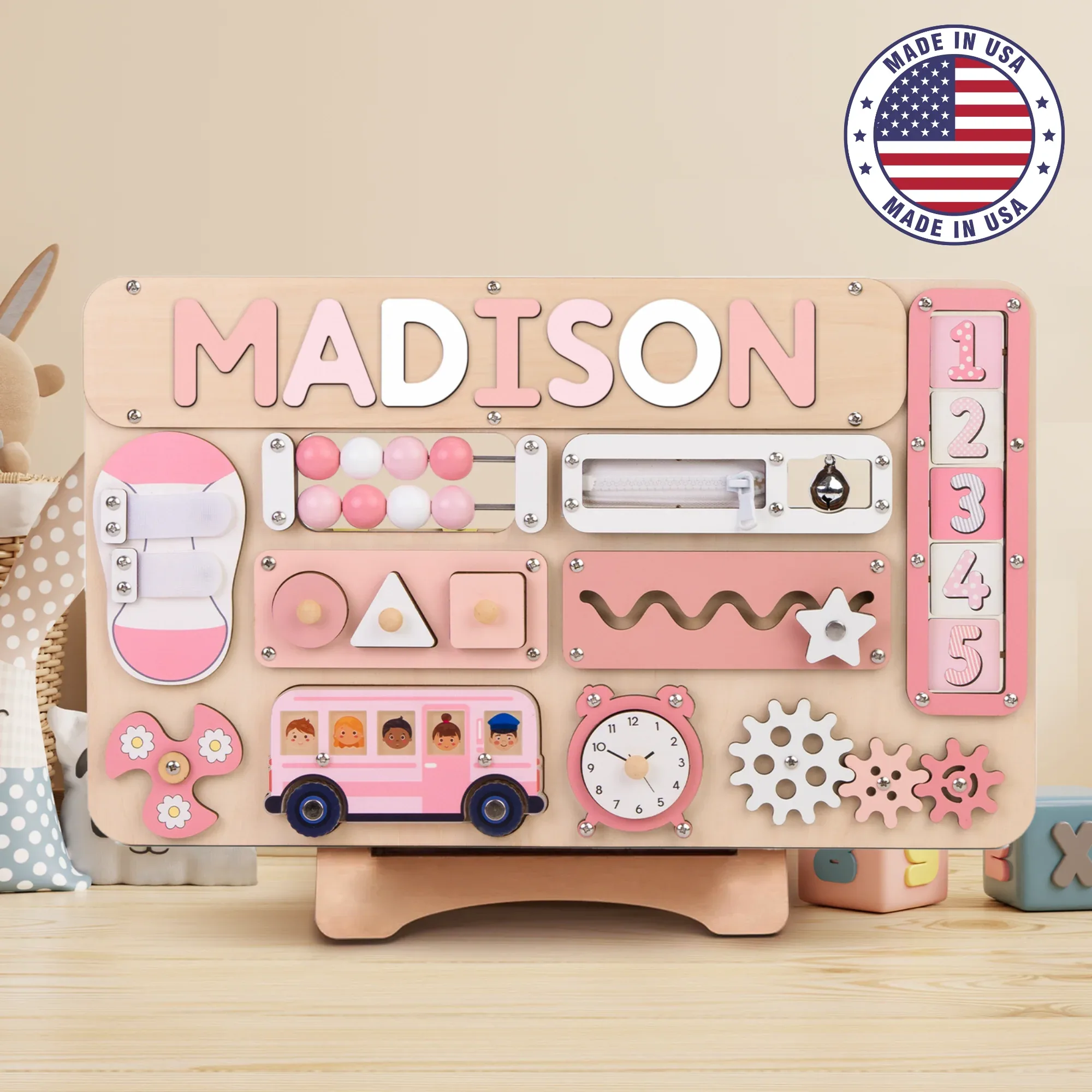
3. Kiddie Academy Montessori Sensory Busy Board
A soft, portable busy board designed to practice real-life fasteners and tactile exploration. It’s a strong 2026 pick for car rides, restaurants, or quiet time because it packs multiple “do it myself” tasks into one grab-and-go format. Best for toddlers working on zippers, buckles, snaps, and simple sequencing. It’s also a thoughtful gift when you want something helpful for on-the-move families.
- Portable option for travel and waiting rooms
- Encourages practical-life skills like zipping and buckling
- Multiple textures and tasks in one item
- Not as durable as solid-wood manipulatives
- Some pieces may need occasional re-attaching/checking
- Can feel less engaging for toddlers who prefer big movement play
Sorting, Matching & Early Problem-Solving
If your toddler loves putting things “in the right place,” these are the confidence-boosting basics. They support shape recognition, visual discrimination, and simple logic—skills that translate well to everyday routines in 2026.
4. Melissa & Doug Shape Sorting Cube
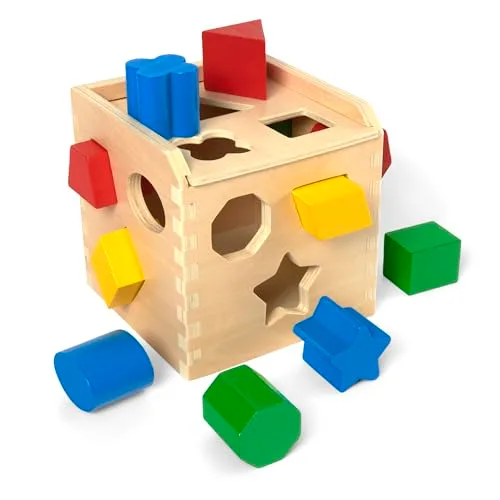
4. Melissa & Doug Shape Sorting Cube
A wooden shape sorter that teaches matching, turning, and trying again—without feeling like a lesson. It’s a reliable 2026 staple for toddlers who are ready to problem-solve with their hands and learn through repetition. Great for ages 1–3 because it’s straightforward, satisfying, and easy to reset. The chunky shapes are toddler-friendly for grasping and orienting.
- Clear cause-and-effect that toddlers understand quickly
- Chunky pieces are easy to grip and manipulate
- Simple to store and reset for repeat play
- Limited challenge once shapes are mastered
- Pieces can get lost if not stored together
- Less engaging for toddlers who prefer pretend play
5. PlanToys Sorting & Counting Pegs
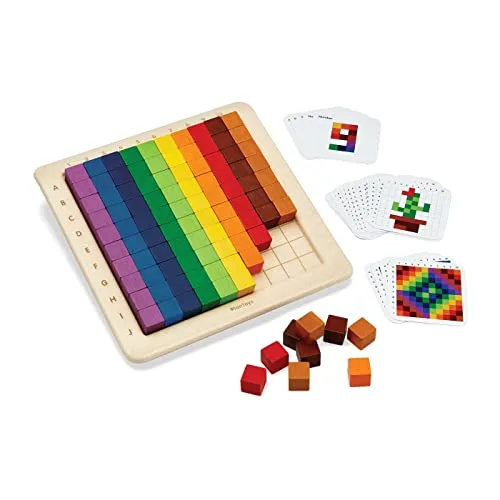
5. PlanToys Sorting & Counting Pegs
A peg-based set for sorting by color and practicing early counting concepts through hands-on placement. In 2026, it’s a great bridge toy: simple enough for young toddlers, but flexible for older toddlers who want more structure. Best for kids who enjoy lining up, grouping, and “one more” type play. It also supports gentle bilateral coordination as little hands place pegs precisely.
- Supports sorting, grouping, and early number sense
- Fine-motor friendly peg placement practice
- Easy to scale from simple matching to more complex games
- Small pieces require supervision for younger toddlers
- Can feel repetitive without new prompts
- Needs a flat surface for the most satisfying play
6. PlanToys Geometric Sorting Board
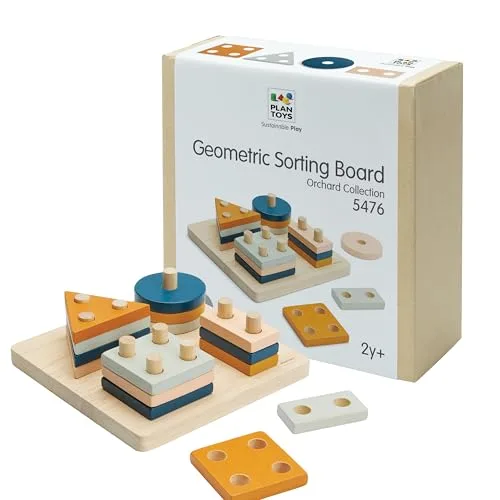
6. PlanToys Geometric Sorting Board
A geometric sorter that adds an extra layer of challenge through shape properties and placement. It’s a strong 2026 pick for toddlers who have outgrown basic shape sorters and want something a bit more “puzzle-like.” Great for building visual-spatial reasoning and calm focus during independent play. The clean design fits Montessori-style shelves and rotation systems.
- More challenging than basic shape sorters
- Builds visual-spatial reasoning and concentration
- Great for shelf rotation and independent work time
- May frustrate younger 1-year-olds initially
- Not as open-ended as free-building toys
- Pieces can wander if not stored with the board
7. Banana Panda First Puzzles: Vehicles
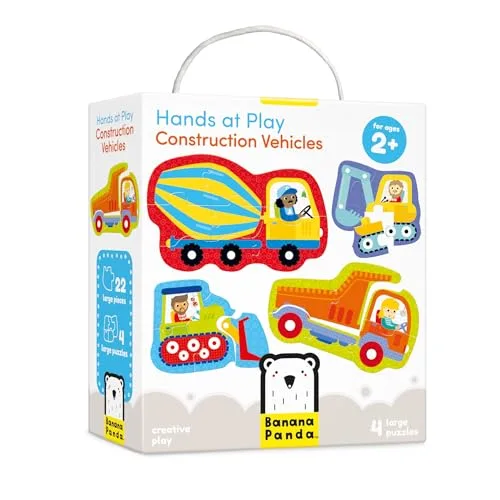
7. Banana Panda First Puzzles: Vehicles
A first-puzzle set with vehicle themes designed for little hands learning how pieces fit together. In 2026, it’s a thoughtful gift for toddlers who love naming objects and building confidence with short, finishable challenges. Great for ages 2–3 especially, when attention span is growing and “I did it!” moments matter. The vehicle theme also makes it easy to turn puzzling into simple storytelling.
- Beginner-friendly puzzles that feel achievable
- Great for vocabulary and naming practice
- Easy to bring to grandparents’ houses or on trips
- Theme-specific—less appealing if vehicles aren’t a hit
- Pieces can be lost without a dedicated storage spot
- Not as durable as thick wooden puzzles for rough play
Open-Ended Building & STEM Play
Open-ended toys are Montessori favorites because toddlers can use them differently every week—stacking, balancing, building, and inventing. These 2026 picks are ideal when you want a gift that grows with your child’s imagination and problem-solving.
8. Lovevery The Play Kits (The Babbler / The Talker / The Thinker)
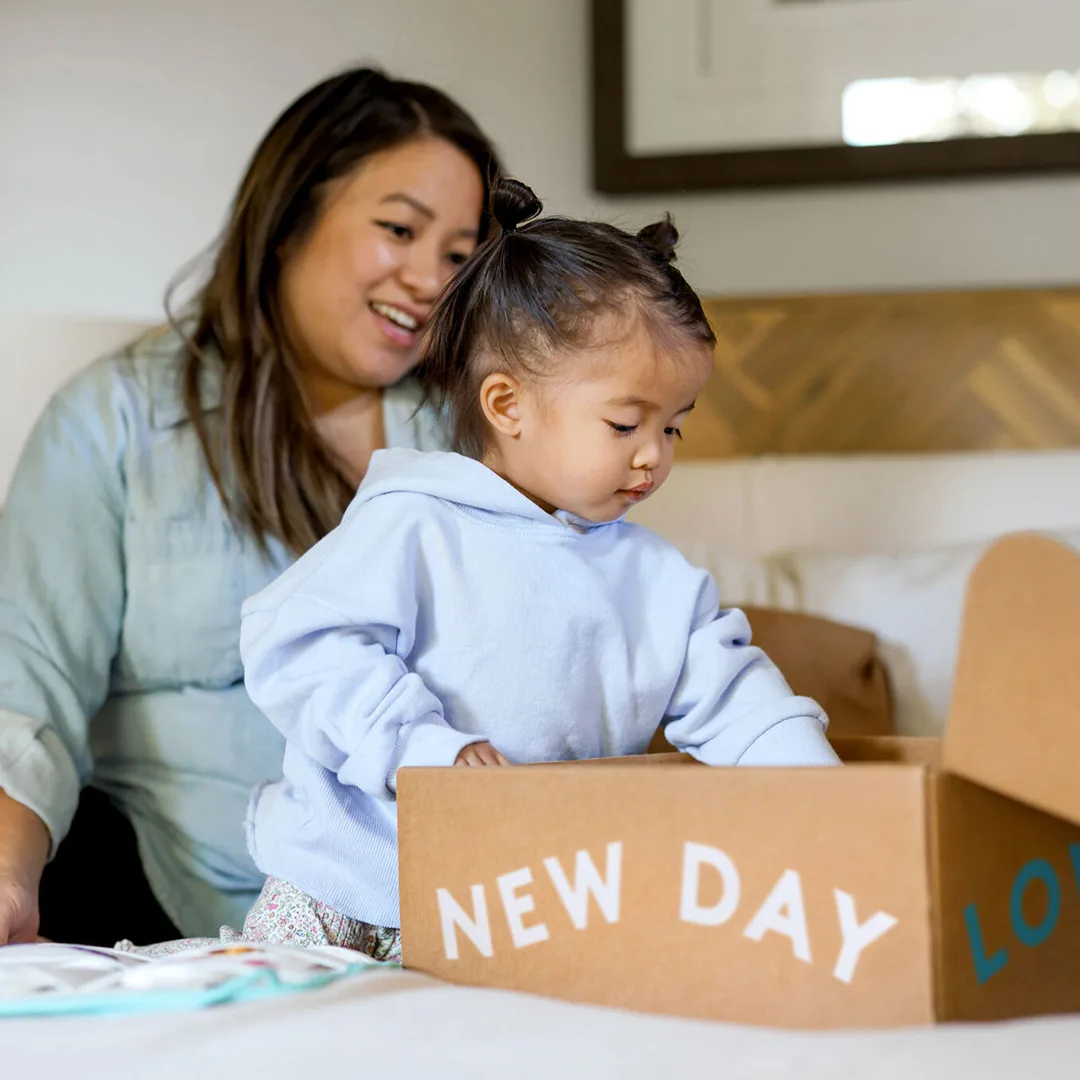
8. Lovevery The Play Kits (The Babbler / The Talker / The Thinker)
A stage-based subscription-style kit line designed to match toddler development with curated activities. In 2026, it’s a strong pick for gift-givers who want to support multiple skills—language, problem-solving, and hands-on exploration—without piecing together separate toys. Best for families who like rotating materials and using simple play guides. Choose the kit that aligns with the child’s current stage for the smoothest fit.
- Developmentally aligned selection reduces guesswork
- Encourages skill-building across multiple play types
- Works well with Montessori-style toy rotation
- Higher cost than buying one standalone toy
- Not every item will be a hit for every toddler
- Requires storage/rotation to avoid clutter
9. Grimm’s Rainbow (Large)
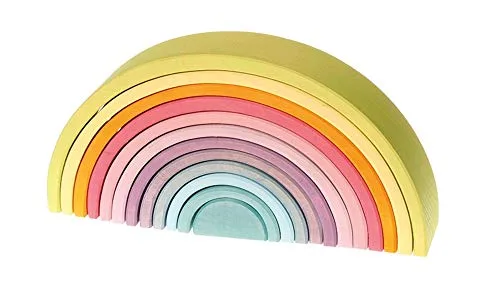
9. Grimm’s Rainbow (Large)
An iconic open-ended wooden rainbow stacker that becomes tunnels, bridges, doll beds, and more—depending on the day. In 2026, it’s still one of the best “buy once, play for years” gifts for toddlers because it invites creativity without instructions. Great for kids who love stacking, arranging, and building little worlds. It also looks beautiful on a shelf when not in use.
- Extremely open-ended for imaginative play
- Encourages balance, spatial reasoning, and creativity
- Display-worthy and easy to rotate back into play
- Premium price compared with basic stackers
- Finish can show wear with heavy use
- Not a “single right answer” toy—some caregivers prefer more guided play
10. Grimm’s Large Stepped Pyramid
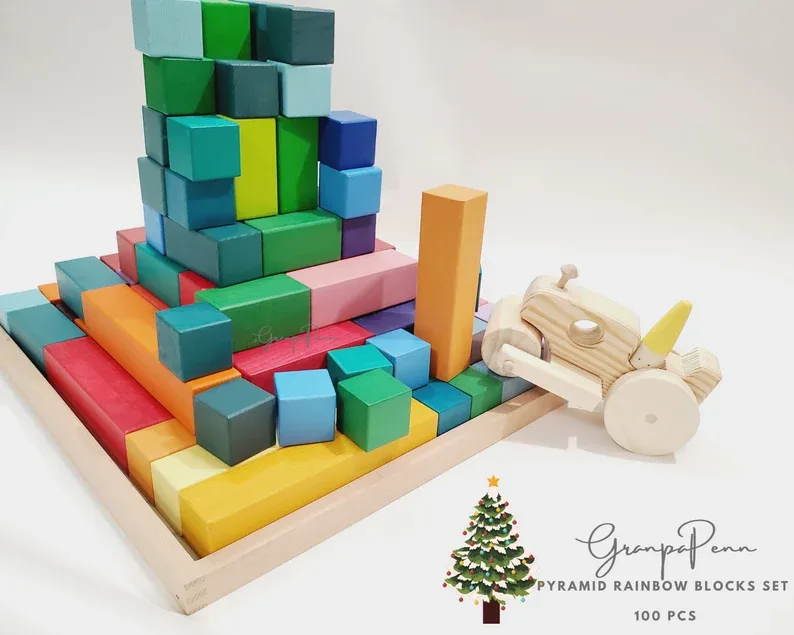
10. Grimm’s Large Stepped Pyramid
A stepped wooden block set that invites stacking, nesting, and experimenting with size and balance. In 2026, it’s a standout for toddlers who like order and patterns—while still being open-ended enough for creative builds. Great for practicing careful placement and early math language like bigger/smaller and tall/short. It’s also a beautiful heirloom-style gift for design-minded families.
- Supports size comparison and spatial reasoning
- Open-ended stacking with a satisfying “nesting” reset
- Heirloom look that stores neatly on a shelf
- Premium cost for a single set
- Requires floor or table space for big builds
- Some toddlers may prefer figures/pretend play to abstract blocks
11. Guidecraft Grippies Stackers (Wooden STEM Blocks)
11. Guidecraft Grippies Stackers (Wooden STEM Blocks)
A set of magnetic wooden blocks designed for toddlers to connect with less frustration and more success. In 2026, it’s a great STEM-leaning choice for kids who want to build “taller” and experiment with balance, symmetry, and simple structures. Best for toddlers who love stacking but get annoyed when towers fall too quickly. The magnetic connection can make independent building feel more achievable.
- Magnetic connections help reduce building frustration
- Encourages early STEM concepts like balance and structure
- Good for independent play and collaborative building
- Not as “purely open-ended” as non-magnetic blocks
- Heavier pieces can be loud on hard floors
- Requires a bit of cleanup discipline to keep the set together
Sensory & Music Play
Sensory-rich toys help toddlers regulate, explore textures, and build cause-and-effect understanding. These picks also work well in 2026 for calmer play windows—morning shelf time, pre-nap wind-down, or post-daycare decompression.
12. Hape Pound & Tap Bench with Slide Out Xylophone
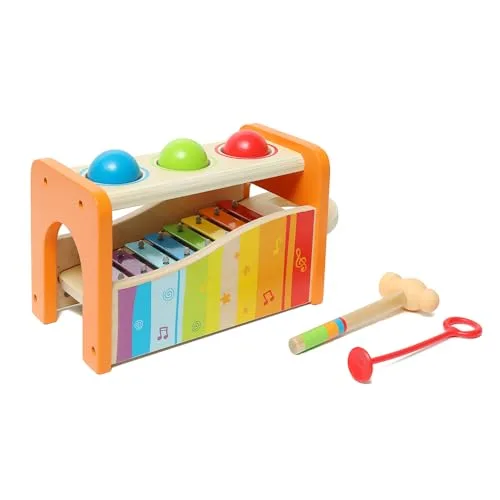
12. Hape Pound & Tap Bench with Slide Out Xylophone
A pound-and-tap bench that blends fine-motor hammering with musical payoff via a slide-out xylophone. In 2026, it’s an excellent choice for toddlers who crave movement and sound, but still benefit from structured cause-and-effect play. Great for practicing coordination and controlled force while keeping play joyful. The music component adds variety beyond simple pounding.
- Combines coordination practice with musical exploration
- Satisfying cause-and-effect for energetic toddlers
- Two play modes (pound-and-tap + xylophone)
- Can be loud indoors
- Some toddlers focus only on pounding, not the xylophone
- Needs supervision if used near delicate surfaces
13. Hape All-in-1 Wooden Kids Activity Cube
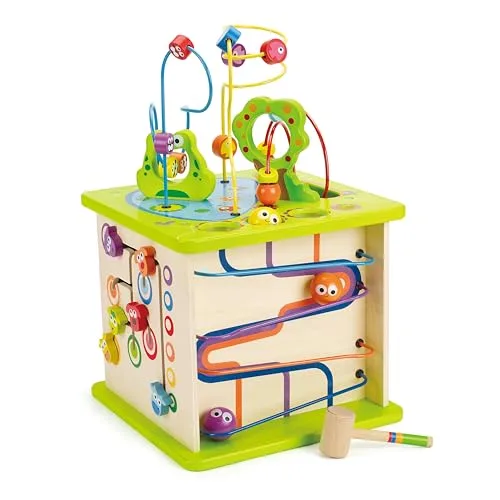
13. Hape All-in-1 Wooden Kids Activity Cube
A multi-sided activity cube that offers bead mazes, spinners, and simple manipulatives in one station. In 2026, it’s a practical pick for busy households because it consolidates several fine-motor activities without needing a dozen separate toys. Best for toddlers who like to move from task to task and for shared play in a playroom. It can also work well as a “toy rotation anchor” when you want variety with less clutter.
- Multiple activities in one footprint
- Great for shared play and switching between tasks
- Useful for keeping toy clutter under control
- Bulkier than single-skill toys
- Some sides may get used more than others
- Not ideal if you prefer very minimal, single-purpose Montessori materials
14. Manhattan Toy Skwish Classic
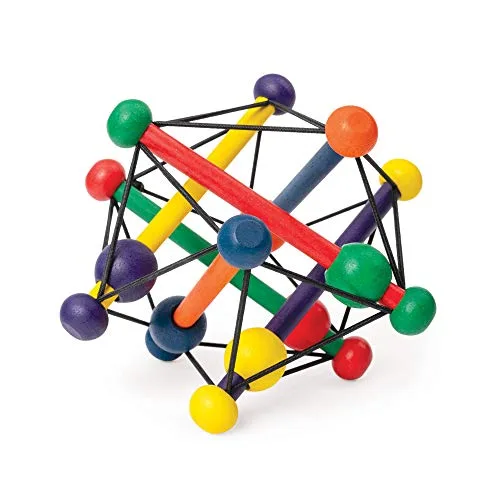
14. Manhattan Toy Skwish Classic
A lightweight wooden-and-elastic sensory toy that’s easy to grasp, squeeze, and manipulate. In 2026, it remains a favorite for younger toddlers because it offers satisfying resistance and movement without being overstimulating. Great for little hands practicing grasp-and-release and for families who want a simple, screen-free fidget. It’s also compact enough to toss in a diaper bag.
- Easy for small hands to grasp and squeeze
- Quiet, portable sensory play for on-the-go
- Encourages hand coordination and exploration
- Less interesting for older toddlers who want complex challenges
- Elastic can attract lint over time
- Not ideal for kids who prefer large-scale movement play
15. Haba Color Wheel Wooden Puzzle
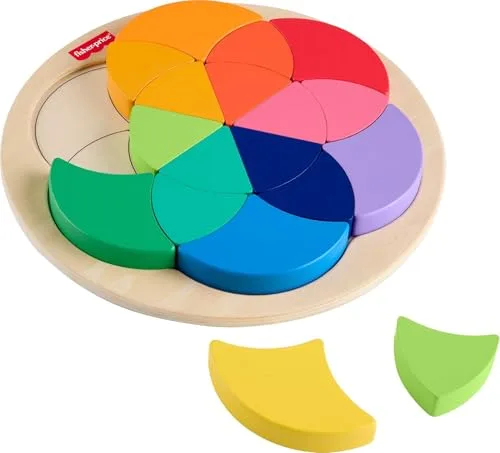
15. Haba Color Wheel Wooden Puzzle
A wooden color wheel puzzle that encourages matching, rotating, and noticing subtle differences. In 2026, it’s a fresh-feeling option for toddlers who enjoy puzzles but are ready for something more visual and pattern-based. Great for building color vocabulary and visual discrimination in a calm, focused way. It also makes a nice quiet-time activity that doesn’t require lots of pieces.
- Builds color matching and visual discrimination
- Quiet, focused puzzle play for calmer moments
- Simple setup with a tidy footprint
- May be too tricky for some younger toddlers at first
- Not as open-ended as blocks or pretend play
- Puzzle interest can depend on the child’s temperament
Indoor Gross-Motor (Climb, Balance, Go)
For toddlers, movement is learning. These 2026 picks support climbing, balance, and coordination—especially helpful when outdoor time is limited or you want a safe, confidence-building way to burn energy indoors.
16. Piccalio Mini Climber Pikler Triangle
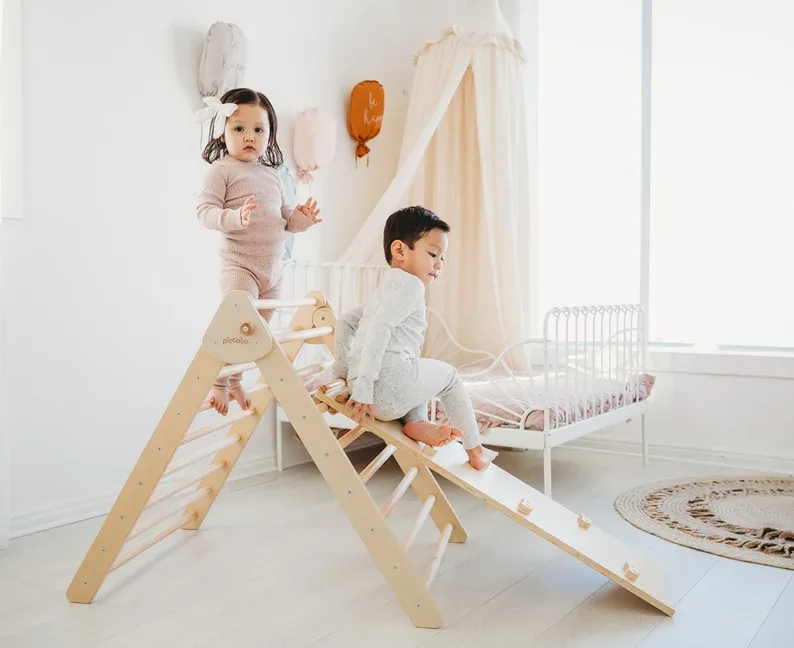
16. Piccalio Mini Climber Pikler Triangle
A compact Pikler-style climber designed for toddlers to practice climbing and body awareness at home. In 2026, it’s a great choice for smaller spaces where you still want meaningful gross-motor play. Best for confident movers who enjoy climbing up and down repeatedly and building strength through play. It also pairs nicely with simple play setups like cushions or a soft mat nearby.
- Gross-motor skill building in a compact footprint
- Encourages confidence, balance, and coordination
- Great indoor option for active toddlers
- Needs clear floor space and supervision
- Not as versatile as larger multi-piece climbing sets
- Can be a bigger visual item in small living spaces
17. Tiny Land Pikler Triangle 7-in-1 Montessori Climbing Set
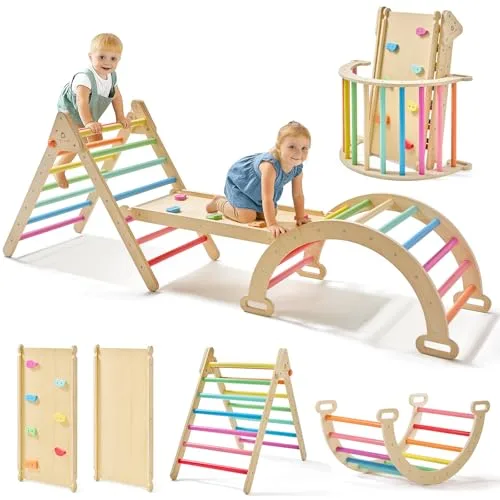
17. Tiny Land Pikler Triangle 7-in-1 Montessori Climbing Set
A multi-configuration climbing set that can be rearranged to keep indoor movement play interesting. In 2026, it’s a smart gift for active toddlers because you can change the challenge level as confidence grows. Best for families who want one big gross-motor purchase that can replace several smaller items. It’s also great for siblings sharing play, since different pieces can be used in different ways.
- Reconfigurable setup keeps play fresh
- Supports strength, balance, and coordination indoors
- Good option for families with more than one child
- Takes up space and may need a dedicated area
- Setup/adjustments can be time-consuming
- Requires supervision, especially with higher configurations
18. Little Partners Learn 'N Climb Triangle
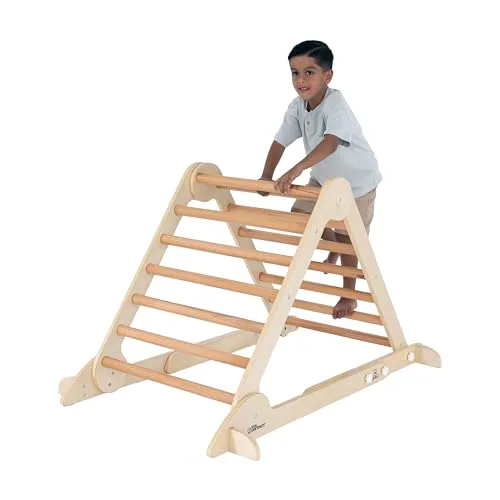
18. Little Partners Learn 'N Climb Triangle
A climbing triangle designed to support confident indoor movement with a sturdy, playroom-friendly feel. In 2026, it’s a premium pick for families who prioritize gross-motor development and want something that can become part of a daily movement routine. Best for toddlers who climb constantly and need a safe outlet for that drive. It’s also a strong choice when you want a “wow” gift that gets used year-round.
- Great for daily indoor movement and energy release
- Encourages coordination and body awareness
- Feels like a long-term playroom investment
- High price point
- Requires dedicated space
- Not ideal if you need something foldable or travel-friendly
19. SmartMax My First Totem
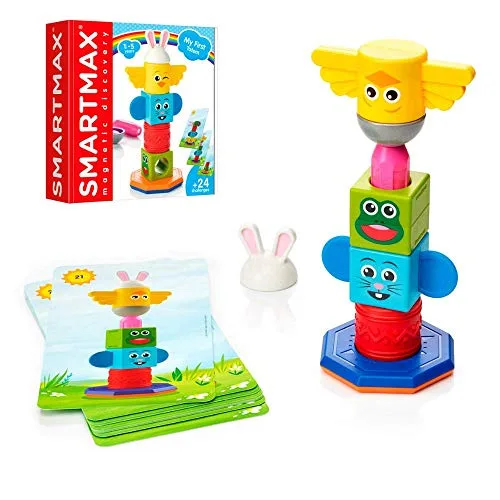
19. SmartMax My First Totem
A toddler-friendly magnetic stacking set made for building simple totems and experimenting with balance. In 2026, it’s a solid choice for kids who love stacking but benefit from pieces that connect more predictably. Best for ages 1–3 because it supports trial-and-error without constant tower collapses. It’s also a nice bridge between baby toys and more complex building sets.
- Magnetic stacking reduces frustration for beginners
- Supports early engineering thinking through play
- Easy to start, with room to get more creative
- Less open-ended than free-form blocks
- Pieces need a consistent storage spot
- Some toddlers may lose interest once they master a few builds
20. Micro Kickboard Mini Deluxe (3-Wheel Scooter)
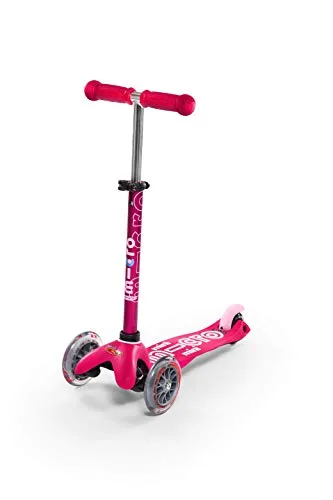
20. Micro Kickboard Mini Deluxe (3-Wheel Scooter)
A 3-wheel scooter designed for stability and early riding confidence. In 2026, it’s a standout gift for toddlers who are ready to practice balance and steering while still having a supportive platform. Best for kids who love being on the move and for families who want a non-toy “toy” that gets daily use. It’s also a great way to turn coordination practice into a fun routine.
- Stable 3-wheel design for early riders
- Encourages balance, coordination, and outdoor time
- Often becomes a daily go-to for active toddlers
- Needs storage space (and a good parking spot indoors)
- Requires supervision and appropriate safety gear
- Not ideal for homes with lots of stairs or limited outdoor access
Ready to Share Your Wishlist
Open the WishDeck app and add any toy from this 2026 guide in one click so you don’t lose the ideas you love. Create a dedicated folder like Children's Toys and sort by skills (fine-motor, puzzles, sensory, gross-motor) to make gifting crystal clear. Then share your list with friends and family—when they reserve an item, you’ll avoid duplicated gifts and still keep surprises intact. Start your list in the WishDeck wishlist app.
Frequently Asked Questions
Popular Reads
- Must-Have Baby Gear 2026 — The Ultimate Registry List
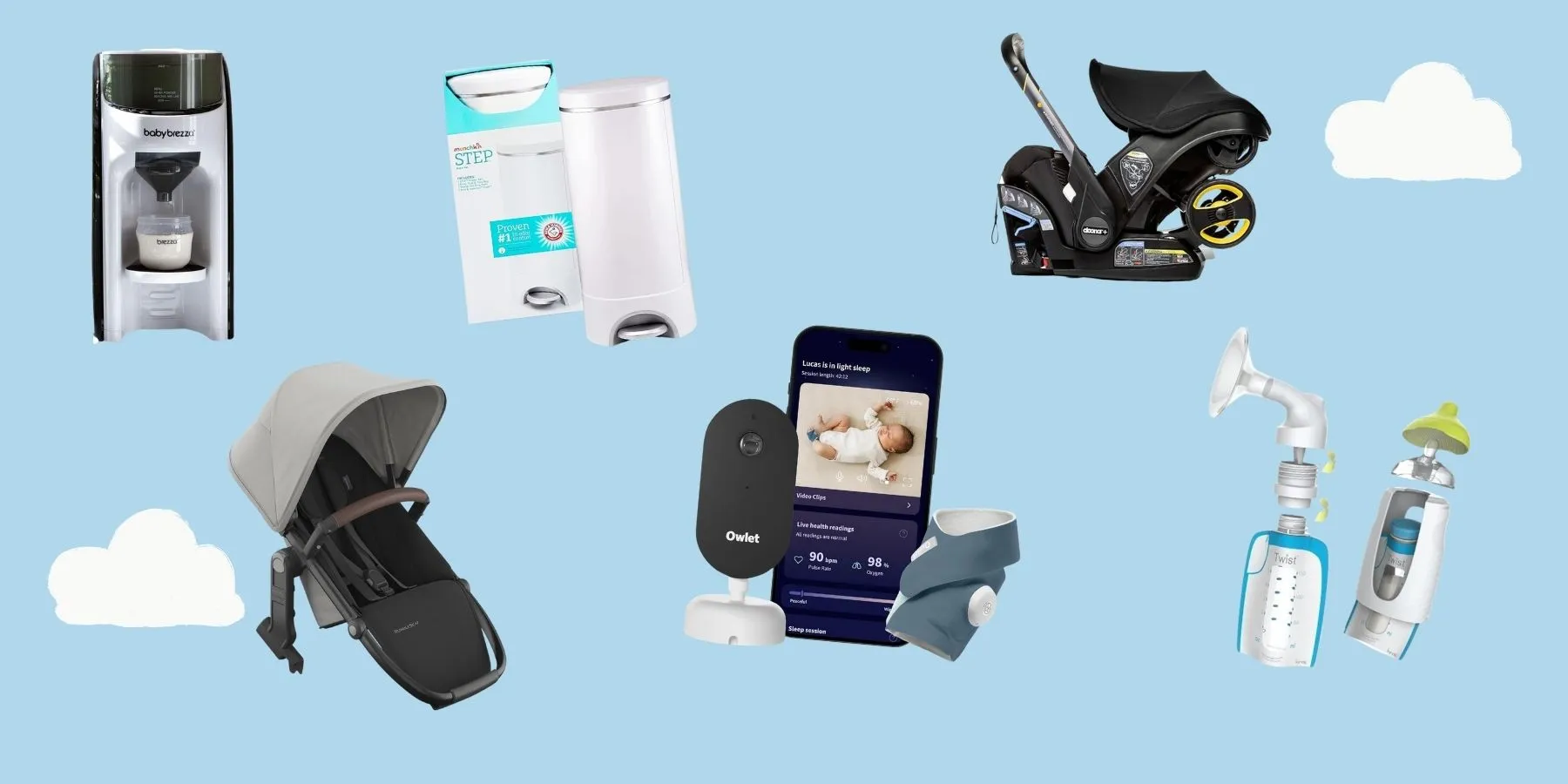
- Best Baby Shower Gifts 2025: Practical, Aesthetic Picks + Wishlist Ideas
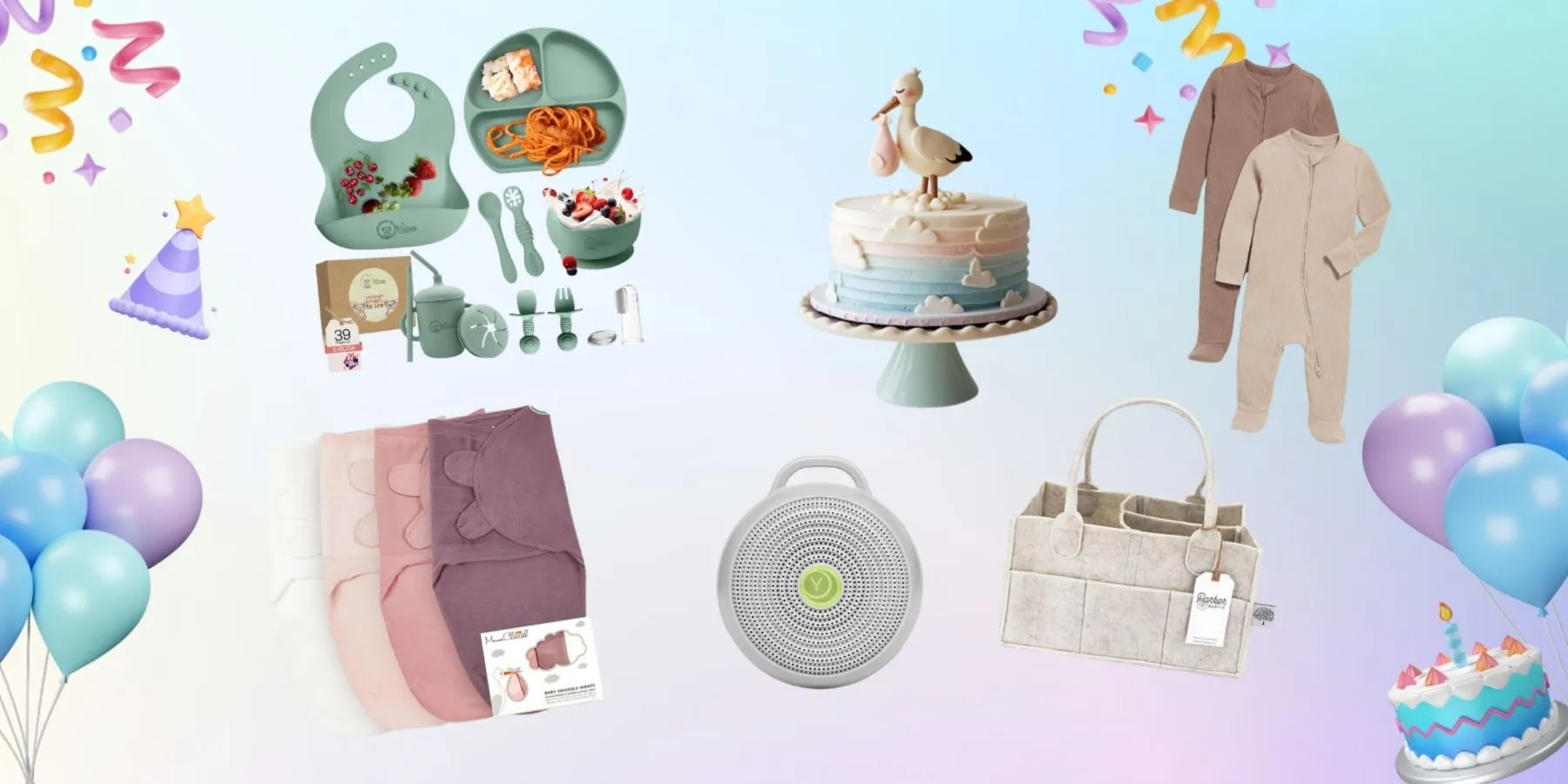
- Newborn essentials checklist 2026 (only what you'll use week 1–4)
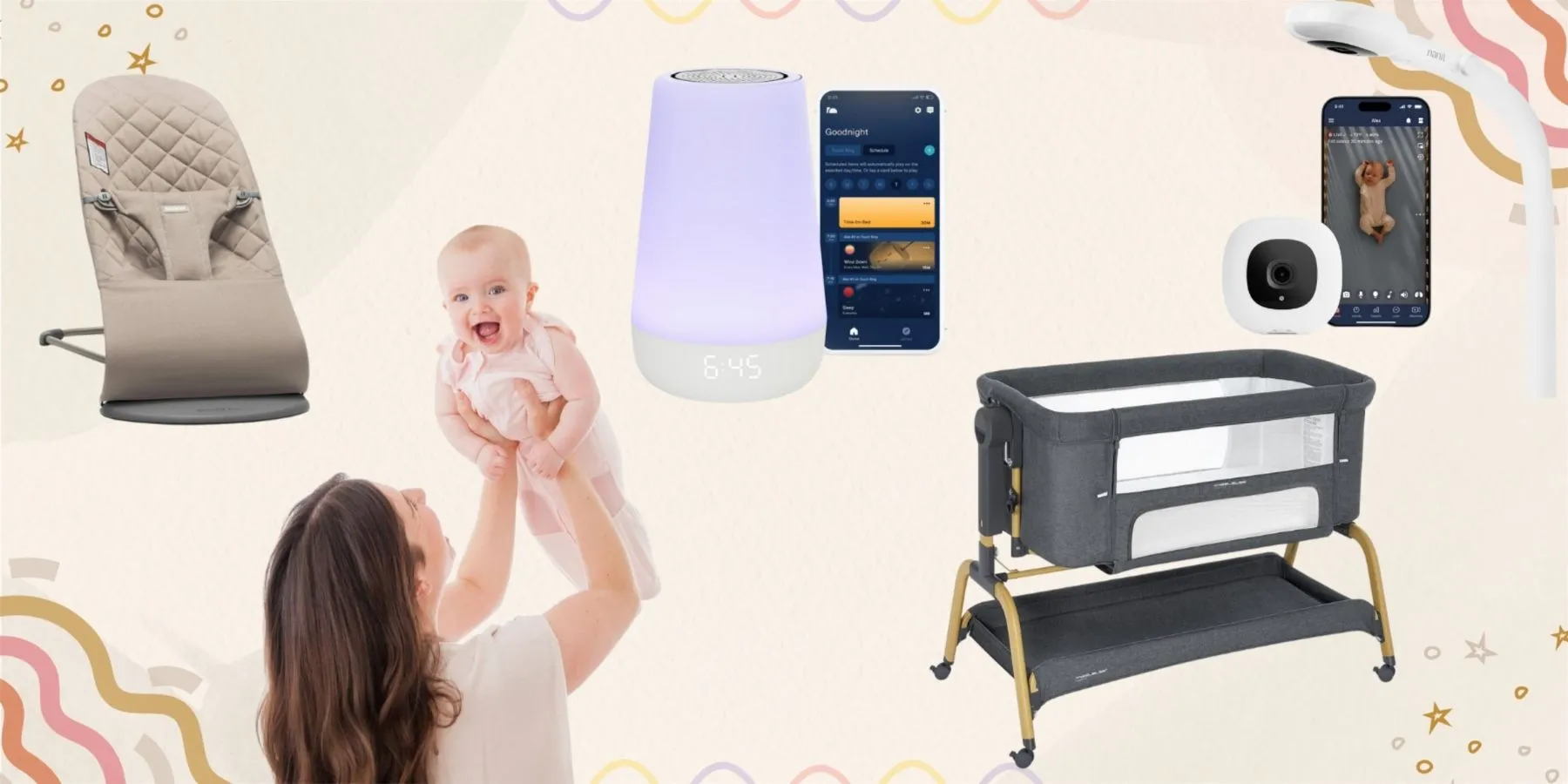
- Best baby registry items 2026: smarter essentials for a stress-less setup
- Screen-Free 'Audio Toys' for Toddlers (2026): Yoto vs Tonie + Best Starter Sets
Looking for more insights? Explore related topics: Must-Have Baby Gear 2026, Baby Shower Gifts 2025, Newborn essentials checklist 2026 or find more on our Blog.